New Garage Door Installation
A garage door installation is more than a panel swap. Springs have to be sized to the new door's weight, tracks have to be plumbed to the opening, cables and drums have to be matched, and the opener has to be set up for the new travel. This page covers what a full residential installation actually includes.
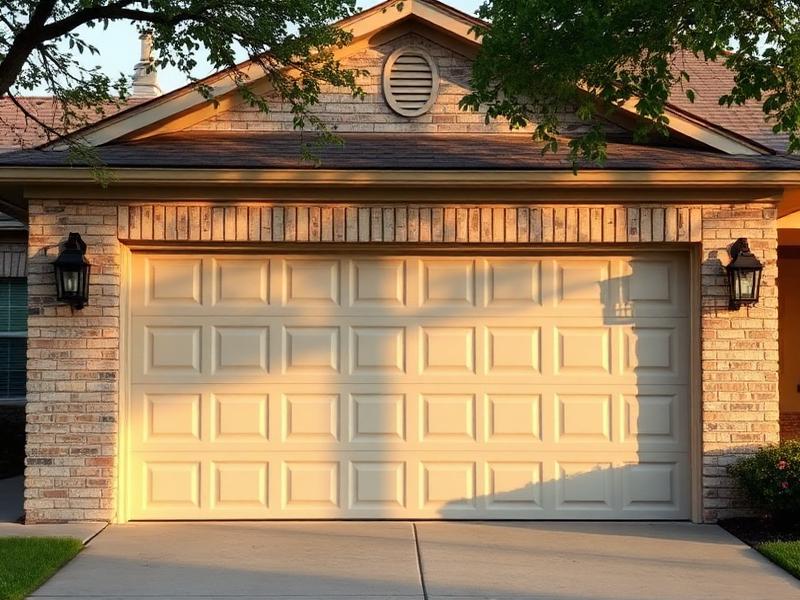
What new garage door installation involves
Replacing a garage door is one of the higher-return improvements a homeowner can make, a new door improves curb appeal, insulates the garage, and (for households where the garage is the primary entrance) genuinely changes how the front of the house feels. But the visible panel is only part of what an installation delivers.
The starting point is measurement. Rough opening height and width, headroom above the opening, sideroom to each side, and backroom behind the opening all determine which door and hardware will work. Standard residential openings are 7 or 8 feet tall and 8, 9, 16, or 18 feet wide, and most residential doors ship in those sizes. Non-standard openings, headroom under 12 inches, or unusually tight sideroom may require low-headroom tracks or special hardware.
The next decision is construction. A single-layer steel door is the least expensive option and works fine for detached garages. A two-layer door adds an insulating core, cutting noise and stabilizing the garage temperature. A three-layer door wraps the insulation in a second steel skin for real thermal performance and a much more solid feel, meaningful in Houston, where an attached garage can act as a heat trap in summer. Composite and wood-look doors give the appearance of carriage-house construction without the weight and maintenance of real wood.
Springs are sized to the new door's weight. This is the step most people don't see but that determines whether the new door lasts. A door that weighs 180 pounds needs a spring calibrated to that weight, wound to the correct turns, with the correct cycle rating for how often you use the door. Under-spec springs will fail quickly; over-spec springs will make the door hard to control by hand. We size springs on-site based on the door as delivered.
The installation itself is straightforward when the prep is right. Old door and hardware come out. New tracks are set to the exact width of the door and plumbed to the opening. Sections go up one at a time, hinges and rollers installed as we go. Cables are attached to the bottom brackets and routed to the drums. Springs are mounted and wound to the calculated turn count. The opener is reconnected (or a new opener installed), the safety sensors are aligned, the force limits are set, and we cycle the door repeatedly to confirm smooth operation before we leave.
Old door removal is included. The panels, tracks, and hardware go with us, so you're not left disposing of a 250-pound door yourself. Any warranty paperwork on the new door, panel warranty from the manufacturer, spring cycle rating, hardware warranty, is left with you.
New Garage Door Installation in Houston
Many Houston homeowners choose insulated doors to help with summer heat in attached garages, and wind-rated options are worth discussing in a region that sees tropical storms. The right choice depends on your home, your garage use, and your style.
Signs you need new garage door installation
- Repeated repairs on an aging door
- Multiple damaged or warped panels
- A drafty or very hot garage
- A door that looks dated next to the home
- Rust through on steel sections
What to expect
The technician measures the opening, walks through door styles and insulation options, removes the old door, installs the new one with springs and tracks, and tests it with the opener.
Common questions
How long does a garage door installation take?+
A standard single-door install takes most of a day. A two-car door with a new opener typically runs four to six hours from start to finish.
Do I need a new opener with a new door?+
Not necessarily. If your existing opener has adequate horsepower for the new door's weight and its safety features are current, we reuse it. If the door is significantly heavier or the opener is aging, we'll recommend a replacement.
Insulated or non-insulated, which one should I pick?+
For an attached garage in Houston, insulated pays for itself in comfort and utility bills. For a detached garage that isn't temperature-controlled, non-insulated is usually the right call.
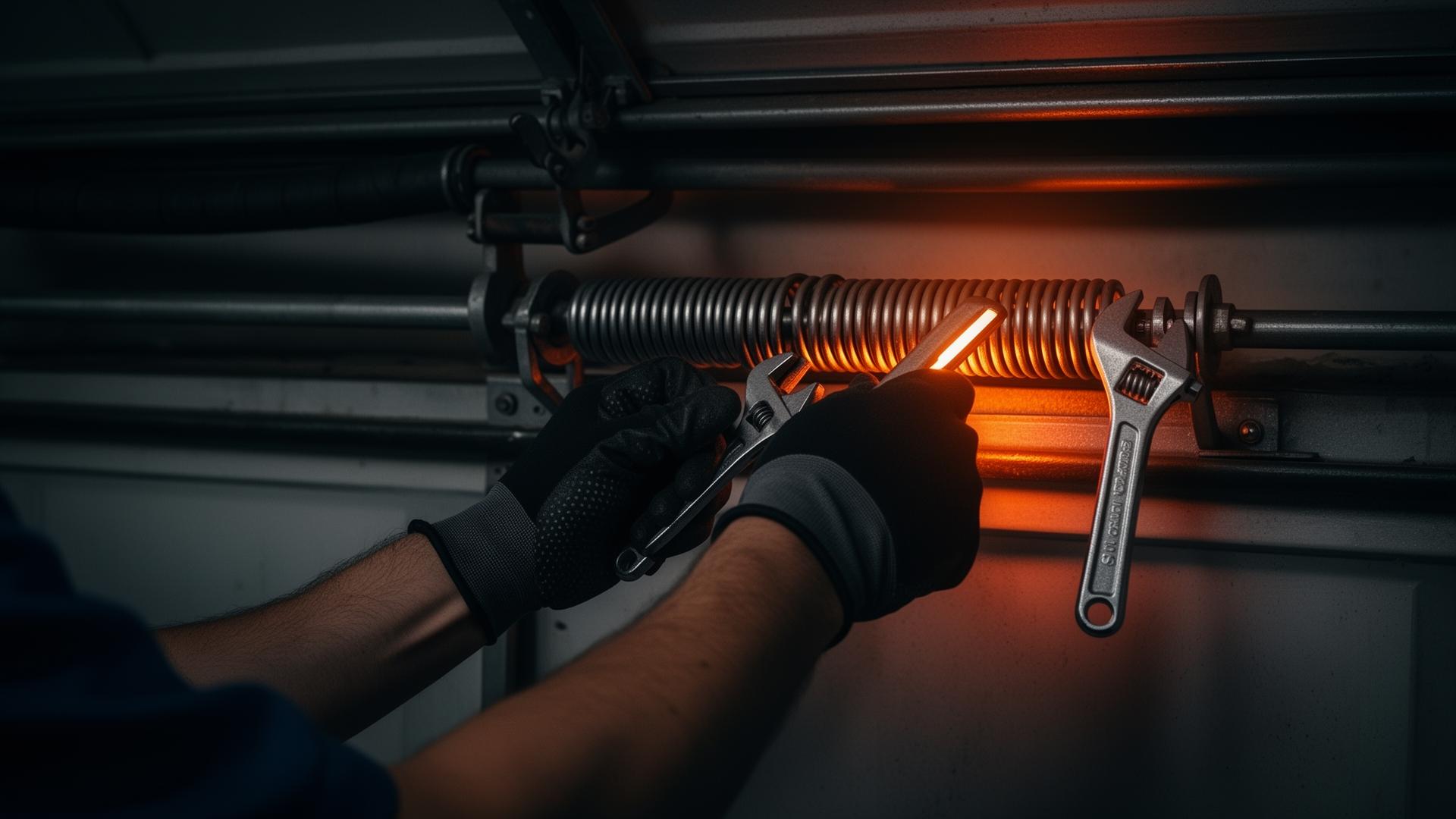
Garage door problems?
We can help today.
Call to speak with a local garage door repair technician about your door.